Objective: Carcinoma of the cervix is still the most common gynecological malignancy among women in the developing nations. The purpose of this study is to review the pattern of carcinoma of the cervix in Zaria, Northern Nigeria.
Method: This is a retrospective study of patients seen at the Gynecologic oncology unit of Ahmadu Bello University Teaching Hospital, Zaria, Nigeria between November 2005 and November 2009.
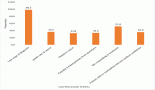
Results: A total of 406 gynecological cancers were identified during the period under review. Carcinoma of the cervix accounted for 65.7 % (267) of histologically confirmed gynecological cancers. Most of the patients were married 265 (99.2 %) and 40% were in the second order of marriage; 57.1% of these women were in a polygamous setting. Two hundred and two (75.6 %) patients fell in the 40–69 year age bracket, with a mean age of 44.5 years. The disease appears to be associated with high parity (range of 0–14); grand multiparous patients constituted 145 (68.3%) of the cases. Abnormal vaginal bleeding (219 patients: 82 %), offensive vaginal discharge (120 patients: 44.9%) and post-coital bleeding (56 patients: 20.9%) were the most common symptoms. About 78% of the patients had advanced disease, stage III disease being the commonest stage accounting for 159 (59.5 %). Fifty-six (21%) of these patients presented with vesico-vaginal fistula.
Conclusion: This study demonstrates that in the northern part of Nigeria 65.7% of all gynecological cancers are carcinoma of the cervix. This high percentage appears to be connected with some detrimental sociocultural practices, such as early onset of sexual activity, which should be addressed. More emphasis should be given to screening programs for women in under-developed countries

Supporting oncology professionals through education
The content on this site is intended for healthcare professionals only