Introduction: Tobacco smoking is a known risk factor for cancer development and smoking cessation can lower this risk and improve outcomes in some cancer patients. Despite that, many cancer patients do not quit smoking after a cancer diagnosis, and smoking cessation counselling is still not routinely provided in cancer care. The aim of this study is to examine patterns in smoking cessation counselling to cancer patients by their treating physicians.
Methods: A self-administered, web-based (mobile-friendly), anonymous questionnaire was developed on LimeSurvey and sent by e-mail to Lebanese physicians of different specialties between June 2020 and January 2022. Data were analysed using SPSS and associations between the different items were determined using the χ2 test.
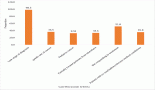
Results: A total of 146 physicians filled out the questionnaire. Almost all physicians ask cancer patients about their smoking status, but only 45.9% provide smoking cessation counselling, and only 24% refer patients to smoking cessation counselling programs. Only 27.4% of all respondents have received formal smoking cessation training, and only 27.4% feel capable of providing smoking cessation counselling in their clinic. Specifically, family medicine physicians were more likely to provide smoking cessation counselling in the clinic (69%), more likely to refer patients to a smoking cessation counselling program (44%), and more likely to have received formal smoking cessation counselling training (67%) and more likely to feel capable of providing smoking cessation counselling (93%). Lack of training, lack of knowledge of available programs and the lack of availability of enough programs are leading obstacles contributing to low rates of smoking cessation counselling in cancer patients as reported by the physicians.
Conclusion: Our data reveals a deficiency in smoking cessation counselling and referral of cancer patients to smoking cessation counselling programs in our region. This highlights the need for dedicated smoking cessation counselling training for practicing physicians and physicians in training.